Organic Fertilizer Production Line: Sustainable Technology & Government Policies
In today’s world of rising environmental concerns and sustainable agriculture practices, the demand for organic fertilizers is booming. This shift from synthetic fertilizers to natural alternatives has not only opened doors for eco-conscious entrepreneurs but also led governments to roll out incentives for green manufacturing. Setting up an Organic Fertilizer Production Line is no longer just an environmentally friendly initiative—it’s a smart business move with long-term profitability.
This article explores the technologies used in organic fertilizer production, the influence of government policies, and how innovations such as the Sulfur Coated Urea SCU Fertilizer Production Line and NPK Fertilizer Production Line can be integrated for greater impact. Plus, we’ll highlight how Cementl, a trusted equipment manufacturer, plays a key role in sustainable fertilizer production.
Why Organic Fertilizer Production Is on the Rise
With soil degradation and chemical overuse harming global agriculture, organic fertilizers are becoming the go-to choice for farmers aiming for soil health, long-term yields, and compliance with eco-agricultural standards. These fertilizers:
- Improve soil structure
- Enhance microbial activity
- Release nutrients slowly and consistently
- Reduce environmental pollution
Unlike traditional NPK blends, organic fertilizers are made from composted plant waste, animal manure, and bio-based materials. However, they can still be paired with SCU Fertilizer Production Line technologies to deliver controlled nutrient release—making them more efficient and commercially competitive.
Key Technologies in an Organic Fertilizer Production Line
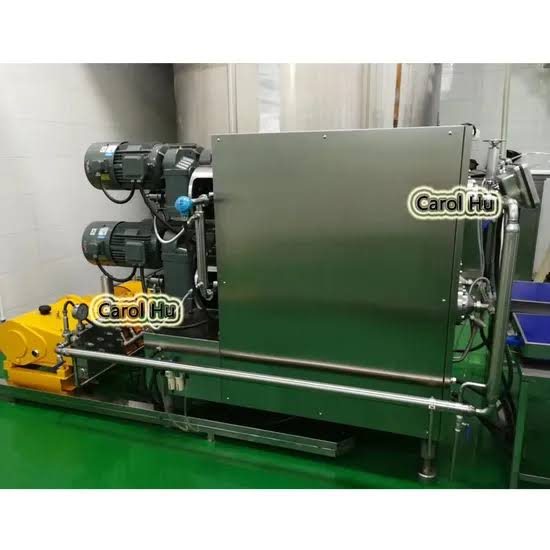
Modern organic fertilizer production has evolved beyond compost pits. Today’s production lines incorporate advanced equipment to ensure consistency, hygiene, and scalability. A typical line includes:
1. Fermentation System
Raw organic materials such as animal dung and green waste are fermented in aerobic conditions to eliminate pathogens and odor. Compost turners from Cementl accelerate this stage, ensuring uniform breakdown.
2. Crushing & Mixing Machines
Once composted, the material is crushed and mixed with additional nutrients if required. Integration with NPK Fertilizer Production Line systems allows balanced nutrient customization.
3. Granulation Technology
Granulators such as rotary drum or disc types are used to convert the compost into uniform pellets. These machines play a vital role in product presentation and handling.
4. Drying & Cooling
To extend shelf life and improve product stability, granules are dried and cooled using energy-efficient systems like those supplied by Cementl.
5. Screening & Packaging
Final products are screened for uniformity, then bagged using semi-automatic or fully automated packaging lines.
For businesses focused on premium organic solutions, integrating a Sulfur Coated Urea (SCU) Fertilizer Production Line enables slow-release benefits—meeting both crop demands and environmental standards.
Role of Government Policies in Promoting Organic Fertilizer
Many governments now offer significant support to fertilizer producers who embrace organic and eco-friendly technologies. Common incentives include:
- Subsidies on equipment purchase
- Tax exemptions on green production units
- Low-interest loans for organic plant setup
- Grants for technology upgrades like SCU production
In countries like India, China, and many EU nations, regulatory frameworks are pushing traditional fertilizer manufacturers to pivot toward sustainable practices. Aligning with these policies not only boosts public image but also reduces operational costs.
How Cementl Supports Sustainable Fertilizer Production
Cementl is a globally respected name in the field of fertilizer production line equipment, offering tailored machinery for:
- Organic Fertilizer Production Lines
- NPK Fertilizer Production Line setups
- Sulfur Coated Urea (SCU) Fertilizer Production Lines
Their machines are built with efficiency, durability, and environmental responsibility in mind. For example:
- Energy-saving dryers cut down on electricity use by up to 25%
- Stainless steel mixers reduce contamination risks
- Automated systems improve batch quality and consistency
What sets Cementl apart is not just their machinery, but their technical support—from installation to troubleshooting—which empowers new manufacturers to scale with confidence.
Business Potential and ROI of an Organic Fertilizer Plant
Let’s look at an example for a small-to-medium capacity plant:
| Metric | Estimated Value |
| Plant Setup Cost | $100,000–$250,000 |
| Annual Production Capacity | 10,000 tons |
| Selling Price/Ton | $120–$150 |
| Gross Annual Revenue | $1.2M–$1.5M |
| Operating Costs | $700,000–$900,000 |
| Net Profit | $300,000–$600,000 |
| ROI Timeframe | 1–1.5 years |
Thanks to policy support and rising organic demand, organic fertilizer manufacturing offers strong returns with lower long-term risks.
Final Thoughts: The Green Path Is Profitable
Organic fertilizer production is no longer a niche—it’s a booming global movement backed by science, policy, and consumer demand. By investing in the right technology—like a Sulfur Coated Urea (SCU) Fertilizer Production Line—and partnering with trusted manufacturers like Cementl, you position your business for sustainable growth.
Whether you’re expanding an existing facility or starting a new venture, Cementl provides top-tier equipment and support for NPK Fertilizer Production Lines, organic granulation systems, and more.
Take the first step toward a greener future—reach out to Cementl today.